Video News Boot Camp

Newspaper Web sites are moving toward video at light speed, but the industry`s photographers are not prepared for the huge transition into video news photography.
I started the news Web site Salem-News.com in Oregon`s capitol city in 2004, after almost twenty years in television and radio news. This is a successful news organization that utilizes the full potential of the Web as a true multi-media news site with published stories, audio reports and video stories that are similar what you see in a television newscast. We`ve learned that the rapidly accelerating technology curve is a friend to those who enter the world of streaming video, but the sooner the better, and time is money. 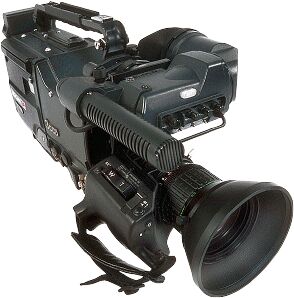 While still photographers learn to master the video camera, they are equally pressured to become proficient at editing the video they record. Turning that video into something that visitors will enjoy watching and advance a newspaper`s position is another matter, altogether.
Then there is writing to video, and the actual voice work. The print industry did not draw its reporters because they thought they would sound great on the evening news. We will help them find comfort in using their voice to tell a story proficiently.
It is also important to remember the contrast in writing styles with print and broadcast.
TV news is already a well established craft
The television news industry has been editing electronic video clips since film cameras were replaced by early tube-type video cameras in the early to mid-1970`s. Over the years, all of the photography styles have been developed, standards have been adapted and modified, and veteran TV news photographers have also watched a number of trends come and go.
So now the newspaper industry is joining the fray, and it is going to be interesting. In a time-sensitive work environment, only the right type of guidance can help a still photographer make this transition the right way, it is an entirely different job than what they are used to.
The term boot camp is a not a reflection of the approach that I will take with your employees. There is much to learn and it is extremely important to strategise and determine what exact role that person will assume after transition. Television newsrooms for the most part, use separate reporters and photographers. I have spent the majority of my television news career in the solo photojournalist/reporter role, but many people are not up to that and the two-person team continues.
There is also the question of equipment. Morale is a serious subject and newspaper photographers across the nation that I have spoken to express dread when it comes to the idea of switching over to video. The question is, should a newspaper use large, expensive cameras and gear, or smaller prosumer equipment that is appropriate for the eventual goal of Web streaming, but has an amateur appearance?
I have some ideas that bridge the idea nicely, and would allow the newspaper video transition to go forward more smoothly. It seems inevitable that video is assuming its place on newspaper Web sites. If you would like to explore the most painless way to get through the change, then contact me and make an arrangement for services. 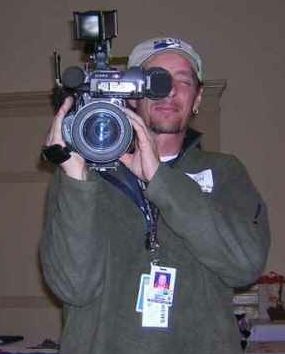 My background lends itself perfectly to the needs of newspapers transitioning to video, because I am doing on a daily basis, exactly what the print industry sites would like to be doing. There is little compatibility between writing styles in the two industries. Framing a picture is always essentially the same, but there are specific ways to make a video camera do its job, a big part of it is audio, and for some people it takes years to become highly accomplished.
I have written a large amount of curriculum that will serve as excellent quick reference material for the new video photographers and reporters. The material from an unpublished book called `So You Want to Shoot TV News?` book also covers reporting as well as a wealth of general information about how the TV news industry is set up and how it functions.
The biggest revenue streams that newspapers have to look forward to are on the World Wide Web. Time is of the essence and my schedule is under development. I am looking for serious commitments and there is a good deal of planning that will precede any contracts so all parties get exactly what they want.
Training takes place in Salem, Oregon. At least three days are suggested for even the most accelerated training. Those who choose a single day`s training will receive an intensive crash course for eight full hours and they do keep the printed material for future reference. There will be a copyright stipulation as the curriculum is the direct intellectual property of instructor and author of the material, Tim King.